
Mount Kilimanjaro – The Roof of Africa
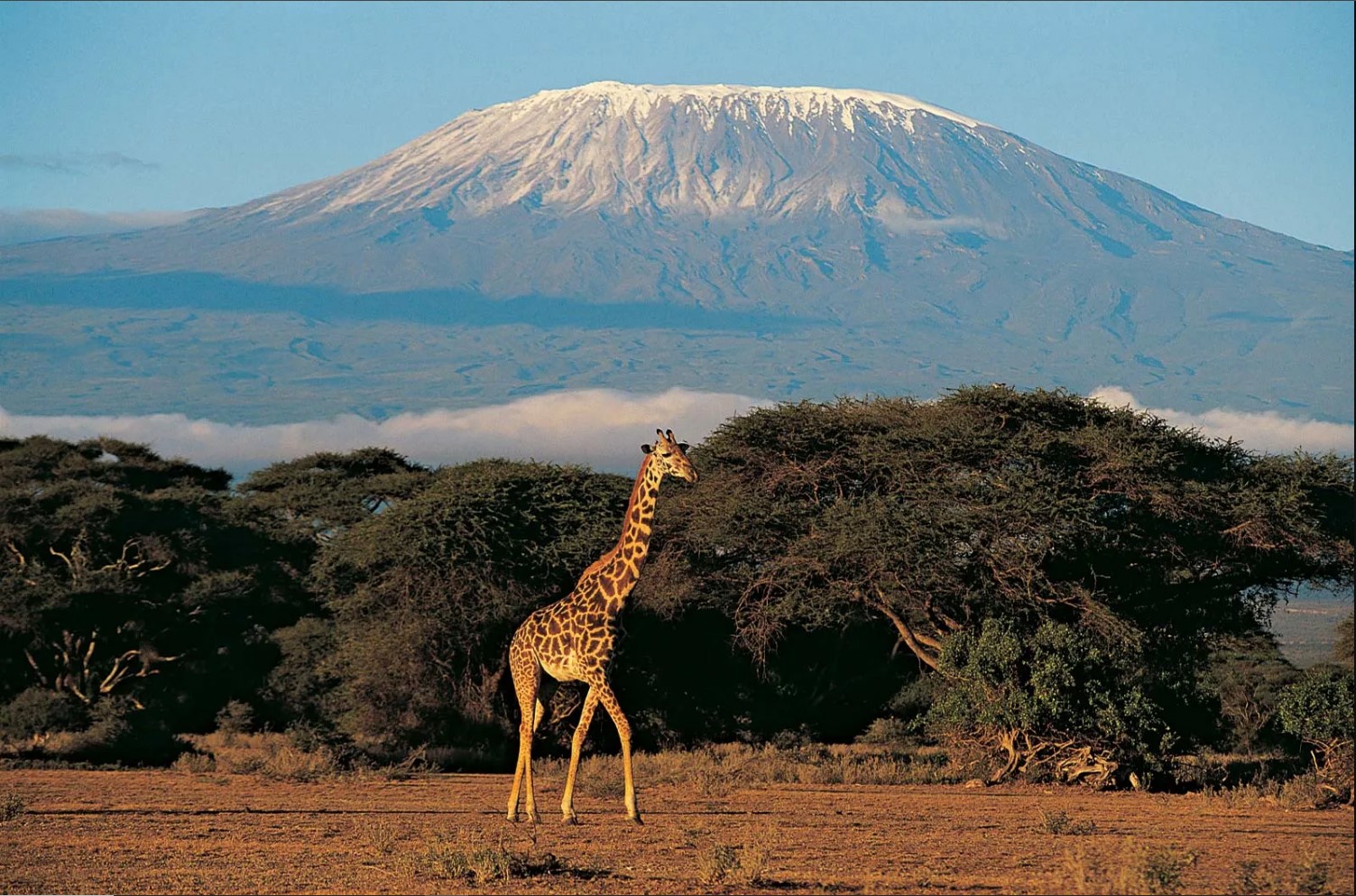
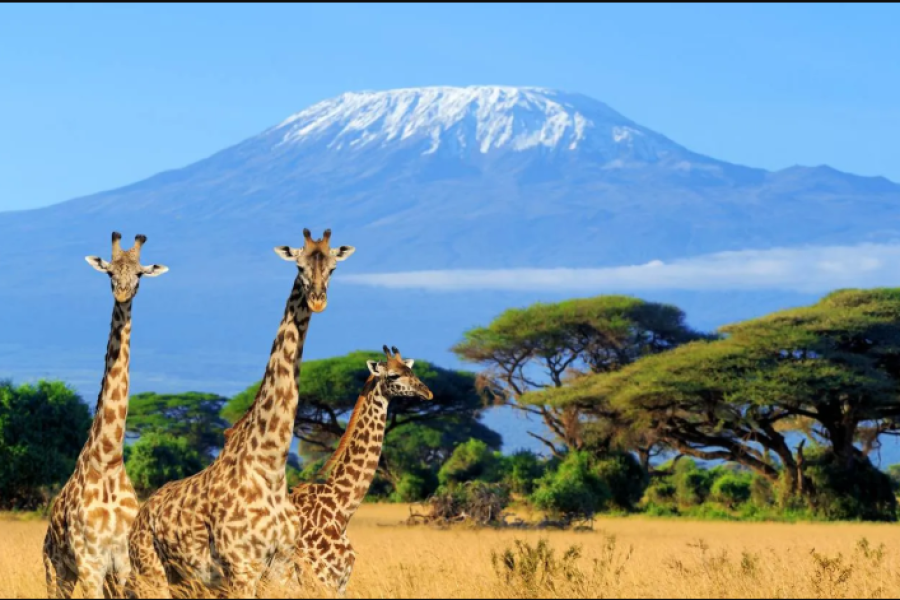
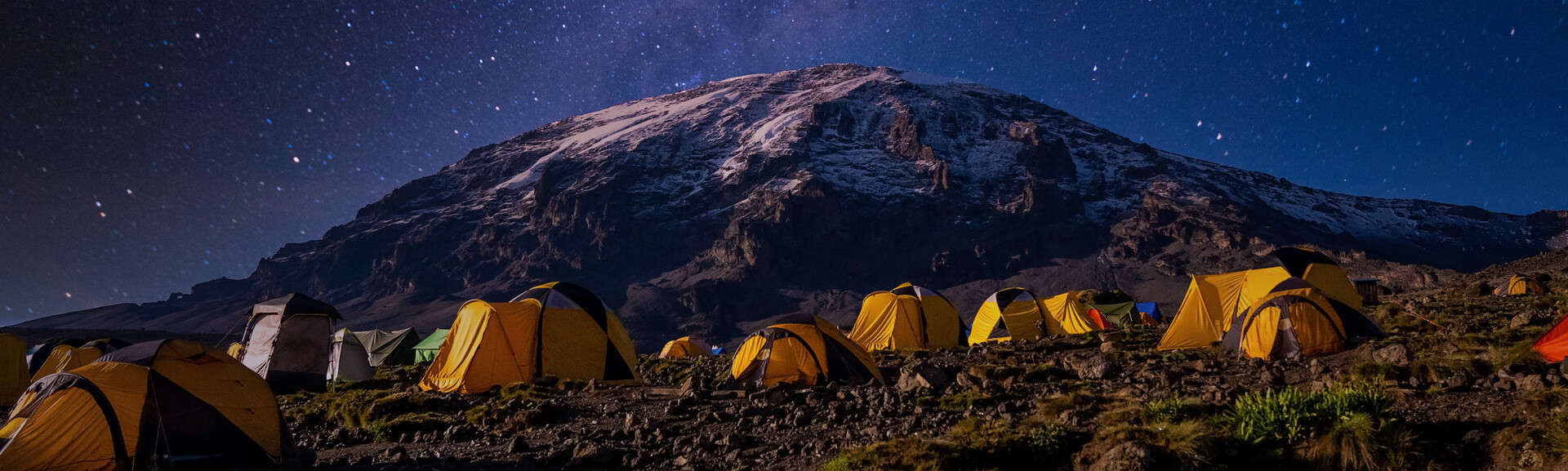
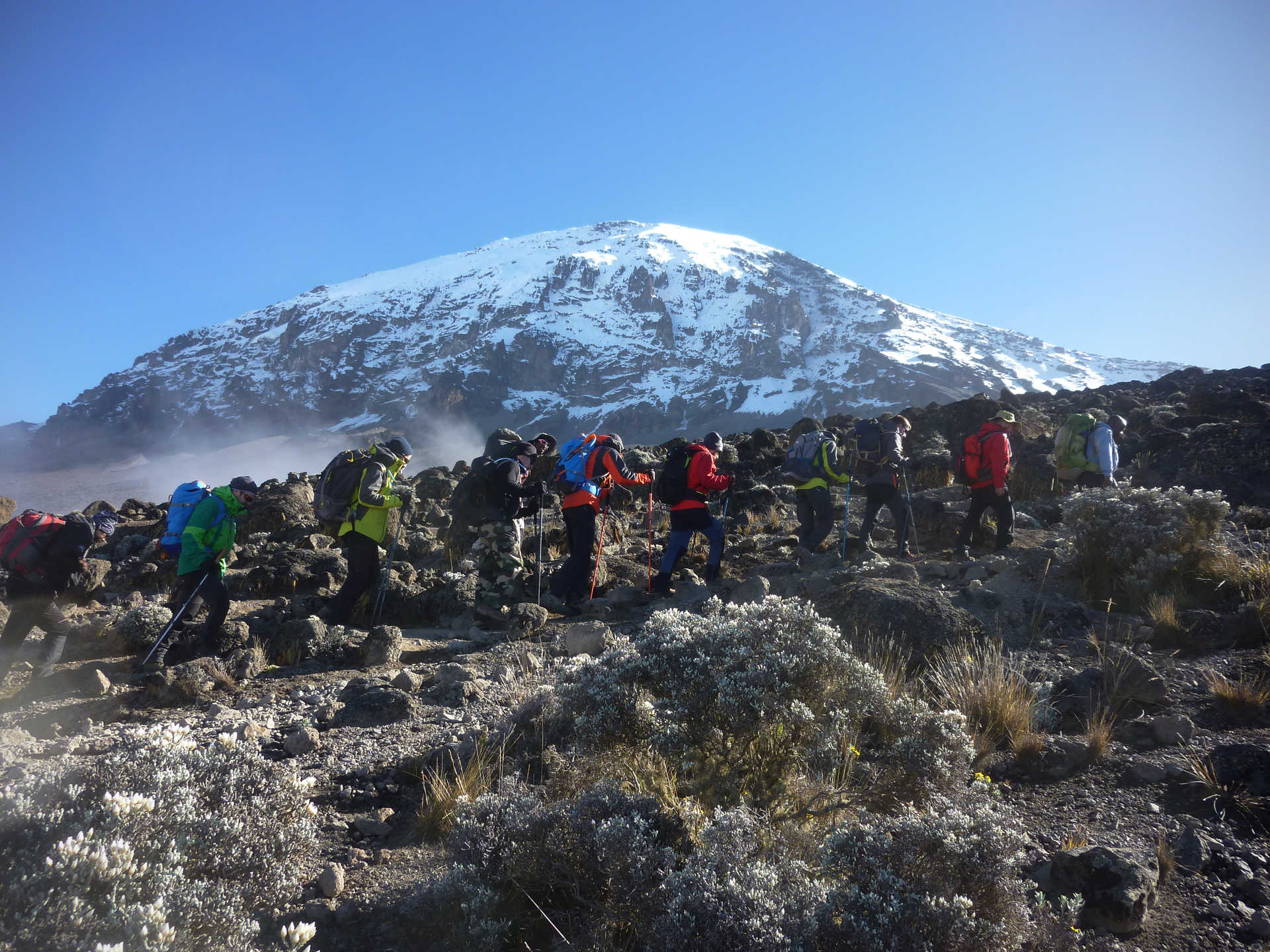
Mount Kilimanjaro, the tallest mountain in Africa, rises majestically from the plains of northern Tanzania and is one of the most iconic natural landmarks on the continent. Standing at 5,895 meters (19,341 ft) above sea level, the mountain towers nearly 4,900 meters (16,100 ft) from its base, making it the highest free-standing mountain in the world. Its impressive height and unique landscapes attract thousands of climbers, trekkers, and adventurers from around the globe each year.
Mount Kilimanjaro is a dormant volcano composed of three volcanic cones: Kibo, Mawenzi, and Shira. Kibo is the highest and central cone and contains the famous Uhuru Peak, the ultimate goal for climbers attempting to summit the mountain. Mawenzi, the second highest peak, is rugged and jagged, while Shira is an older volcanic cone that has largely collapsed to form the Shira Plateau. Together, these volcanic formations create a dramatic landscape that is both geologically fascinating and visually spectacular.
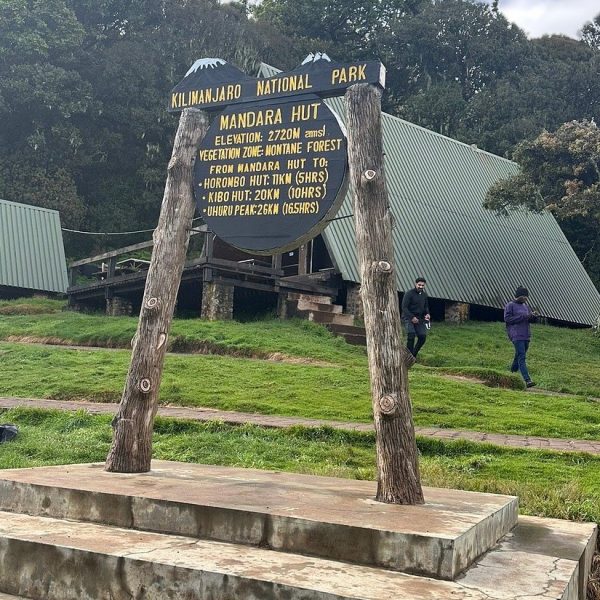
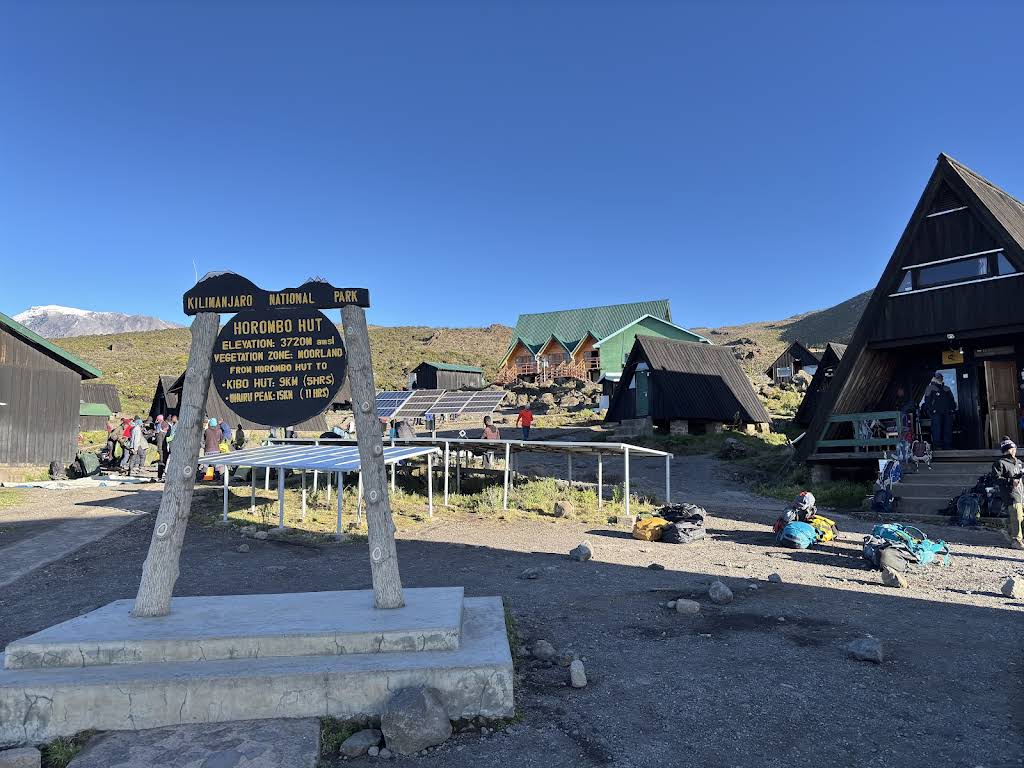
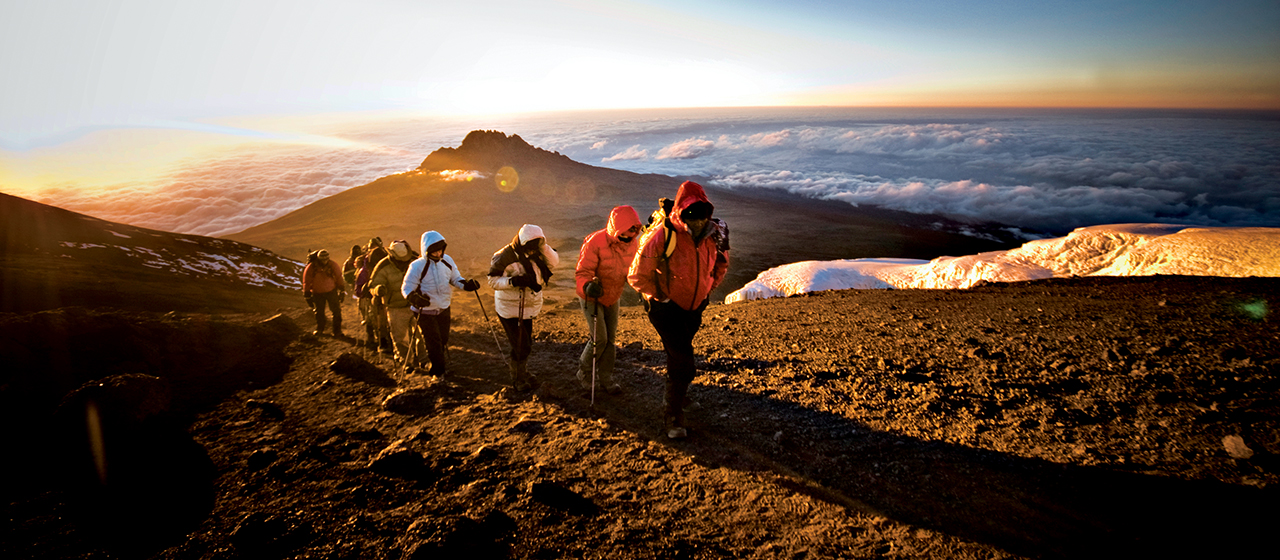
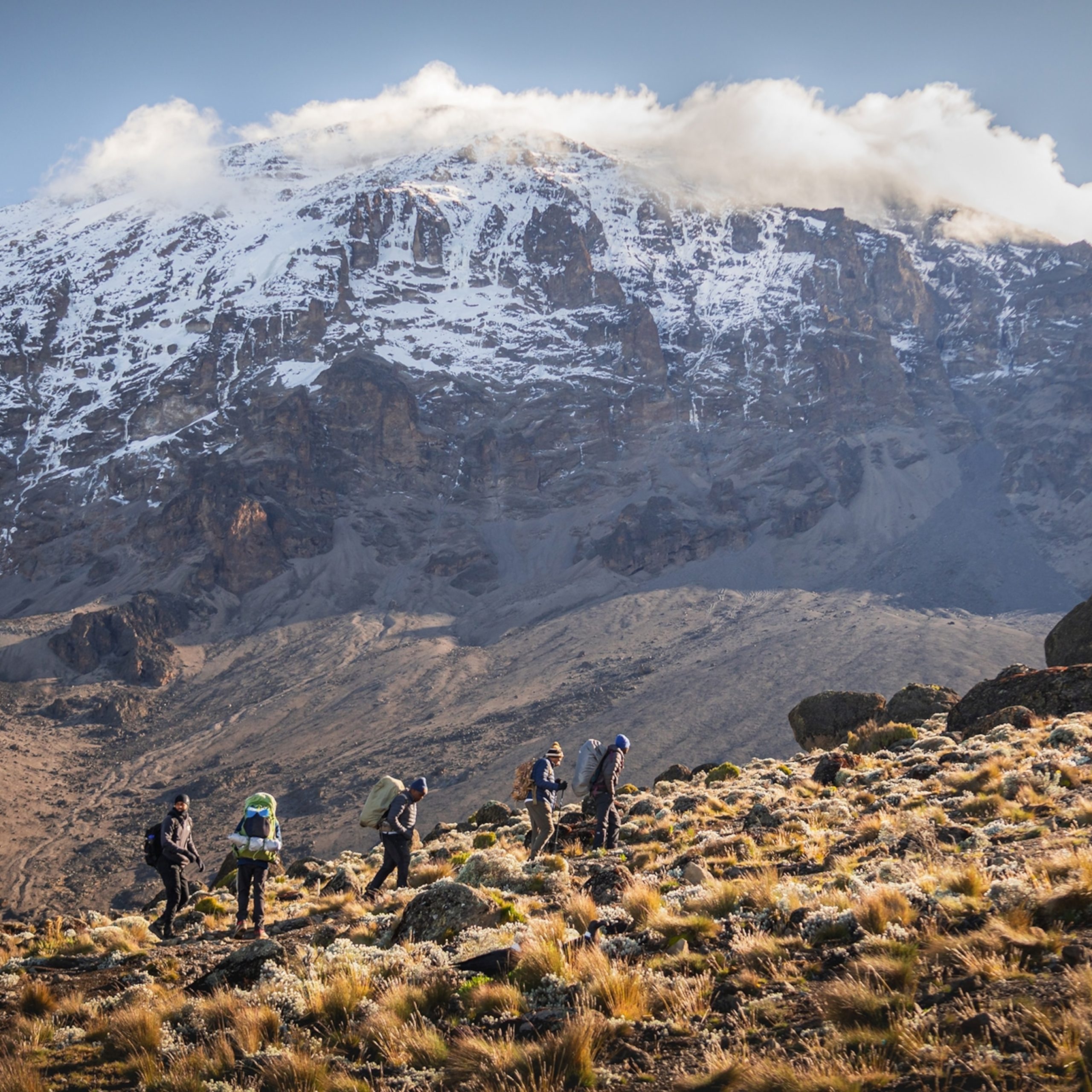
The mountain lies within Kilimanjaro National Park, a protected area recognized as a UNESCO World Heritage Site. The park preserves the mountain’s diverse ecosystems, which change dramatically with altitude. Climbers pass through lush tropical rainforests at the base, followed by heath and moorland zones, alpine deserts, and finally the icy summit zone near the peak. This ecological diversity makes a Mount Kilimanjaro climb a journey through several climate zones within just a few days.
The first recorded successful ascent of Mount Kilimanjaro was achieved in 1889 by Hans Meyer and Ludwig Purtscheller, marking a historic moment in exploration. Today, the mountain is one of the most popular trekking destinations in the world, offering several climbing routes that vary in difficulty and scenery.
Mount Kilimanjaro has also been the focus of numerous scientific studies because of its rapidly shrinking glaciers and disappearing ice fields. Researchers study these changes to better understand climate change and its impact on high-altitude ecosystems.
Mount Kilimanjaro climb is considered a once-in-a-lifetime adventure, offering breathtaking landscapes, unique wildlife, and the unforgettable experience of standing on the highest point in Africa.

Leave a review